Physical Address
304 North Cardinal St.
Dorchester Center, MA 02124
Physical Address
304 North Cardinal St.
Dorchester Center, MA 02124


Creating a nursery garden at home can be among the most satisfying projects to work on to enhance one’s living space, but safety comes first when we have toddlers around. These are plants that can make your home into a serene, uplifting space, all the while being safe enough for hands that are curious and minds that want to explore. This guide is prepared so that you can select the very best toddler-friendly plants that will help to breathe life into your space and give you a good night’s sleep while you think about them. Whether you consider yourself a jaded plant parent or just starting off in the world of gardening, you’ll find yourself going through this article for options that will safely adorn your family green space. Stay tuned for practical tips, expert recommendations, and care knowledge to keep charm and safety married within your home.
Plants serve important functions in our environment: They beautify; they cleanse the air; they support wildlife. The primary need is that the plants must be safe in terms of human, animal, or ecosystem safety. Safe plants mean less chance of toxic exposure, allergic reactions, or damage to local biodiversity. In promoting sustainability and nature-friendly spaces, we create safer spaces by choosing plants that are non-toxic, native, or well-researched.
Designed for toddlers, a green space promotes safe exploration, learning, and development in children. They allow children to play outdoors, develop physical health, motor skills, and creativity while ensuring that they remain safe from toxic plants or hazardous materials. Using soft surfaces, non-toxic plants, and accessible routes are the basics to guarantee toddlers have a level of engagement with nature from which they can benefit. These green spaces also encourage love and respect for the environment from an early age, arousing an interest in the child’s world.
Plants offer innumerable benefits for family homes, transforming the very space they inhabit and enhancing its physicality. Of primary concern behind transformations of a physical location maybe some health benefits; plants filter pollutants while issuing oxygen, hence purifying air and creating a good life-giving ambience. Plant life stands for reducing stress and promotes an uplifting mood among members and concentration amongst them. The natural beauty bestowed by them on a home surely amplifies the aesthetic value of the space itself. The whole ambience changes towards positive, inviting and tranquilly entertaining would-be-client-entering-ever-so-carefully. They can further teach youngsters about responsibility while fostering a genuine connection with nature, cementing the concept of a happy and nurturing home.
Choosing plants for a home with toddlers will require considerations according to safety, with the emphasis on non-toxicity. Some common non-toxic plants are the spider plants, Boston ferns, parlor palms, and calatheas. Aside from beautifying the home, these plants are safe for children to touch. It is always a good idea to look up the plants and maybe place them somewhere beyond the toddler’s reach for further safety.

Plants for toddlers must be easy to maintain and free of toxins. Some good choices are:
Always double-check plant safety from reputable sources and keep plants away from toddlers to maintain a safe environment.
Non-toxic and easy-to-maintain plants are ideal plant choices for homes with children and pets: they provide security while retaining greenery. Such plants may require minimal attention, and sparing them from sunlight with a short occasional watering, suffice. They, therefore, are perfect for rush hours. Many of these plants, such as the Spider Plant and Boston Fern, improve indoor air quality by filtering out the pollutants. Moreover, these plants are hardy and adaptable, thus capable of being successful under numerous circumstances. These plants turn out to be quite worthy with their charm backed up by safety and ease of care for any home.
One should always check for plants labeled non-toxic when choosing one for a setting with very young children; such specifies must always be given priority. A plant should not contain harmful substances such as oxalates, sap, or berries, which can present an alarming choking or poisoning hazard. Checking with references from reputable sources, whether they be plant-care books or experts at a local nursery, usually will set your mind at rest concerning the safety of a plant. Having plants with soft leaves will also minimize their chances of causing irritation to the skin or even injury. In any event, do not cultivate those plants that are famously known to be poison, such as pothos or philodendron, and make sure that all plants are placed in a high or inaccessible place at least to make sure that children cannot be in touch with them without supervision.
When avoiding common household plant hazards, start by thoroughly researching any plants you bring into your home to ensure they are non-toxic to both children and pets. Choose those that are supposed to be safe, and from that selection, pick ones with leaves that are not irritating to the skin should there be incidental contact. If the plant does pose a risk, place it in areas that are out of reach for someone to accidentally ingest or injure himself. Furthermore, such plants need to be looked after to ensure no small parts of it, such as leaves or berries, fall within the range of potential victims. Always check with reliable sources and never include pothos or philodendrons with plant species reputed to be poisonous. Supervision and placement will avoid hazards.

Extremely resilient and non-toxic, spider plants are the plant of choice for any home with toddlers. They require minimum care and can endure different lighting conditions.
With its spectacular foliage, calathea is a safe and decorative plant to have around. It needs indirect light and consistent moisture.
This classic office plant grows under trees in its natural habitat; hence, it is a perfect indoor plant for low light levels.
Areca palms, along with their non-toxic nature, are pleasant-looking plants and flourish well in bright indirect light.
Boston fern, with its feathery fronds, is considered a freshly safe option that needs low maintenance.
Installing these plants into your home provides a safe environment filled with greenery and child-friendly spaces. Plant placement should always be checked so that the little ones know better than to reach for the plants.
Keeping plants safe for toddlers is a priority in establishing a child-friendly atmosphere, while at the same time, allowing nature and beauty to flow. The areca palm and Boston fern serve well since they purify and beautify your interior while remaining harmless and easy to maintain. Keep plants where they cannot be knocked over by the hands of a busy toddler or accidentally eaten out of curiosity. Safe plants, well-chosen and well-located, can lend to an environment that balances safety and natural beauty.
When you are in the process of placing greenery into your living spaces, make sure to keep in mind the lighting in each room, and go for plants that thrive in such atmosphere. For instance, places that have little light are good for snake plants or pothos; while succulents or fiddle-leaf figs can easily go into areas that provide plenty of light. Choose decorative pots or hanging planters to the max for space occlusion and to add interest. This creates contrast in depth and texture-a cluster arrangement, grouping plants of varying heights together-potentially integrated into functional areas, like a combination of desk and shelves, where beauty meets practicability. Care for your plants regularly, ensuring a good watering schedule and dusting leaves, supporting an unassuming lush and healthy indoor garden-pal.
Cold weather drying can dry plants indoors. Less water may be required to be provided to indoor plants since in winter, the plants tend to grow less and less of evaporation occurs. Heating may render the indoor air drier than normal, so it is good to keep up humidity by misting plants or investing in a humidifier. Watering will go less as summer goes along, yet a little shelter from the wrath of scorching sunlight will be formidable. Always fertilize accordingly, depending on growth cycles; usually, you provide more food to plants in spring and summer. Assess regularly for stress signs such as yellowing leaves and drooping while promptly controlling any pests or diseases to an ever-upbeat indoor garden.

When deciding where to put the plants, keep in mind the light and temperature conditions they need. Place sun-loving plants by bright windows. Shade-tolerant plants may like corners with a little less light. Do not place plants where temperature changes wildly, such as near a heating vent or a drafty window. A further consideration for placing plants is to keep poisonous ones away from children or pets. For instance, Pothos or Peace Lily are good examples. Ensure that the pots used can stand firmly on their own without tipping over. Also, keep trailed plants away from high-traffic zones; it could turn into a tripping hazard. In short, ensure a perfect balance between the safety of your household and plant care.
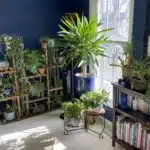
Consider the best location to keep your toddler-friendly plants up on a high shelf, amongst wall-mounted planters or hanging baskets fastened well enough so that they cannot be reached by the curious little hands of toddlers. Avoid placing plants on low coffee tables, as these are the favorite areas for the little ones to run about, or window sills wherein toddlers often remain standing. Go for the safest type of plants: spider plants, Boston ferns, or calatheas. Pots should also be weighted enough so that they cannot be knocked off accidentally.
Childproofing plant pots and shelves starts with the shelves themselves: secure shelves to walls that may tip when climbed upon by a child. Brackets or safety straps can be incorporated for extra support. The plant pots should be placed high up in blocking places with protective enclosures like decorative cages or blocking barriers. Lightweight pots or unstable ones that can tumble easily must perfect a heavy pot with a wide stable base. To prevent toddlers from digging the soil or eating it, cover it with decorative stones or a breathable mesh. Children should always be supervised around plant areas while the setup is inspected for safety on a regular basis.
The safety of interaction between plants and children is ensured by non-toxic varieties that are non-toxic if touched or accidentally ingested. Develop shared activities such as watering and decorating the pots to promote interaction among children while teaching them about caring for plants and respecting them. Provide child-friendly garden tools and set up a child-safe Garden area where they can explore and interact under supervision. Age-appropriate directions will nurture children’s interest in plants while maintaining a secure and nurturing environment.

The children may be encouraged to set up a mini garden with herbs or sunflowers of the easier plants to cultivate. It teaches them patience and responsibility, along with the basics of plant life cycles.
Leaves, flower petals, or twigs can be adapted to create simple crafts such as leaf rubbings and pressed flower bookmarks. The activity combines creativity with reverence towards nature.
Start with small-scale composting in teaching children about sustainable operations. They will learn how food scraps and yard wastes can turn into rich-in-nutrients soil for plants.
Help children create a small enclosed garden-especially beautiful in jar-style terrariums-as a very fun way to learn about ecosystems and moisture cycles.
Go out in the woods collecting leaves that will help the children in identifying from a simple guidebook or online resource the plants or trees to which they belong, thus piquing their curiosity about nature itself.
These are fun and educational activities that will make the children connect with the natural environment while learning certain basic concepts of science and sustainability.
Simple gardening activities are wonderful ways to get toddlers interested in nature. Activities might begin with planting seeds in small pots: touching to explore the texture, observing growth, and more. Watering plants with a tiny watering can is another suitable activity for toddlers because it helps develop their motor skills while also teaching responsibility. Setting up a sensory garden with herbs such as mint and lavender or vibrant flowers will also provide excitement for the little ones. These are some great ways to stimulate curiosity, nurture patience, and cultivate an appreciation of the natural world.
Sensory experiences play with the most important role in child development, in which children execute hands-on activities in their environment. Feeling textures, smelling pungent herbs, and observing colorful flowers will stimulate sensory processing and cognitive growth. These types of interactive experiences will promote curiosity, thinking skills, and other foundation-building attributes such as responsibility and patience. Incorporating vegetation and natural objects fills in a larger puzzle: children associate with the greater outside world while developing small motor skills and building confidence as a result of the active learning process itself.
Prioritizing safety will always go hand-in-hand when teaching responsibility; this means that clear guidelines and age-appropriate assignments need to be set at all times. Children should acquire manageable tasks first, such as watering plants or cleaning up their toys, to ensure they have the strength to do so. Where there is use of tools or equipment, an adult should supervise at all times while instructing the child on the safest practices to employ in order to avoid injuries. Establish a safe atmosphere where such behaviors are rewarded, and corrections may be suggested softly if necessary. Combining safety and responsibility will allow the child to develop onto being accountable, self-disciplined, and confident all within a safe and nurturing environment.
Ted’s Gardens: This article lists 15 non-toxic houseplants that are safe for kids and pets, including options like Christmas Cactus, Boston Fern, and African Violet. Read more here.
Bloomscape: This resource highlights kid-safe plants that are also educational and fun, such as Philodendron Heartleaf, Bromeliad Pineapple, and Red Prayer Plant. Explore the details here.
Houseplant Lovers Addicts (Facebook Group): A community discussion mentioning Hoyas, Calatheas, and Parlor Palms as beautiful and non-toxic plants for children and pets. Check the group post here.
A: When planning a little green space for the family home, the choice of non-toxic plants must be considered. Safe plants for toddlers include spider plants, Boston ferns, areca palms, and rubber plants. These plants generally do not cause harm if an inquisitive child mixes a little taste with a touch. Herbs such as basil, mint, and parsley are safe, edible choices that promote sensory interaction. One should avoid plants bearing toxic leaves, berries, or sap. Making sure to choose robust and low-maintenance varieties will result in a green space that is both appealing and safe for children.
A: From a toddler point of view, plant care and tending mean risk. Thus, they have to be placed safely with supervision. Use safe plants for toddlers; place them on high shelves, in hanging baskets, or in a corner, wherever the plant is less likely to get knocked down. Also, use pots so heavy they cannot be toppled over easily. Children can be entertained by gently rubbing the leaves or flowers but should probably not be allowed toys with small detachable parts that could pose a serious choking hazard. Do not employ chemical fertilizers or pesticides when children are present. Making sure non-toxic plants are selected to fit their tough nature, and then setting them up in a structured environment, will protect the toddlers while plants add in their exploration of nature indoors.
A: Yes. Under supervision, toddlers can take part in plant care, which can be an educational and fun activity. Keep them engaged in simple tasks such as watering plants safe for toddlers, wiping the leaves, or checking on the plant’s progress. Small watering cans designed for toddlers can be used, showing them how to hold them correctly. Keep away from plants with thorns or sticky sap; also avoid plants with delicate flowers that could be easily broken. Supervised plant care will instill a sense of responsibility in toddlers, assist them with their motor skills, and nurture an early appreciation for nature. Allowing toddlers to interact with green plants in safe ways will strengthen their relationship with plants while keeping their home environment out of harm’s way.
A: To avoid plant-related illnesses, go for plant selection and safe operation. Whenever possible, pick plants thoroughly proved safe for toddlers and avoid plant species that are stated to be toxic. Out of their reach means placing kept somewhere where toddlers cannot reach, park them securely. Child-safe soil would be used, avoiding chemical fertilizers or pesticides. Fallen leaves or other debris should be removed promptly so toddlers cannot eat them or harm them with mold. Pots should be stable and free from small detachable elements that pose choking hazards. Supervision and good hygiene go a long way. A toddler-friendly home green space can be easily maintained by the non-toxic plants used within good placement practice and handy soil preparation.