Physical Address
304 North Cardinal St.
Dorchester Center, MA 02124
Physical Address
304 North Cardinal St.
Dorchester Center, MA 02124


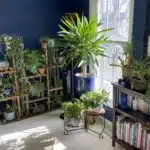
Container gardening is a fantastic method to introduce the pleasure of gardening into any space, regardless of its size, be it large or small. With a minuscule balcony, a bright windowsill, or a small backyard, this adaptable gardening practice will let you build a quiet and luxurious green spot according to your lifestyle. This guide is aimed at beginners, it will show you all the pretty basics of container gardening—from doing the right choice of pots and plants to knowing the soil and watering requirements. Eventually, you will be equipped with everything you need and with the right mindset to grow your very own delightful garden even in the most difficult spaces. Be prepared to get your hands dirty and to enter the world of container gardening and to unleash the power of your living space!

Container gardening is entirely flexible and convenient, thus making it a brilliant option for both beginner and seasoned gardeners alike. It gives people the opportunity to grow plants in less than perfect spots like balconies, patios, or tiny yards, adapting to city living conditions. The fact that containers are moveable means that gardeners can easily change the location of the plants to suit the sunlight, while maintenance is made easier by the fact that there is a lower incidence of pests and weeds. Additionally, container gardening can be adapted to different environments and tastes, the type, size, and style of containers being part of the customization options. This versatility makes it accessible, manageable, and highly customizable for a wide range of people who wish to grow plants.
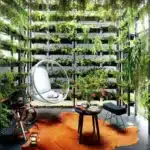
Container gardening represents the best practice for taking full advantage of very limited spaces. The vertical space can be used with tiered planters, hanging baskets, or wall-mounted containers; this way, a small area is used effectively to the maximum level. Containers can be placed virtually anywhere; balconies, windowsills, or tiny patios are no exceptions—plants can be made to flourish there even if it is an urban setting with very limited square footage. This versatility allows for the growing of a wide variety of plants, such as flowers, herbs, and vegetables, without the necessity of making traditional garden beds. Container gardening provides the assurance that even the smallest areas can be changed into thick, productive green sections of land.
With container gardening, the situation is such that everyone, regardless of functional limitations or mobility issues, is able to engage in gardening activities. Planters with a higher level can be made to the height of one’s comfort, thereby lessening the need for bending or kneeling. At the same time, pots made of light materials can be moved easily depending on the sunlight or weather conditions. This kind of flexibility makes it possible for people of any age or ability to take part in gardening, making it an inclusive activity.

Lightweight and inexpensive, plastic pots are robust and come in a range of sizes and forms. They work great for watering plants since they hold moisture well.
The porous structure of clay pots allows for excellent drainage and thus, no fear of overwatering. At the same time, they are brittle and can get dry fast if hot; hence, frequent watering is needed in such climates.
Wooden planters are not only natural but also beautiful. They can be used for large plants, but first, they have to be treated against rotting and weather damage.
Metal containers are not only stylish but also durable. They are compatible with modern decor but can still get hot in the sun, thus insulation needs to be provided.
Fabric grow bags are air-permeable and light, thus making it easy for roots to grow healthy. They are the best choice for vegetables and small plants.
Hanging baskets are very convenient for places with limited space as they are a perfect way to do vertical gardening and are suitable for trailing or cascading plants.
The right selection of the container will guarantee that your gardening experience will be flourishing and convenient fitting your requirements and the space you have.
Choosing materials that are in favor of plant health and sustainability is a must when it comes to container gardening. Containers can be made from plastic, terracotta, ceramic, wood, or fabric; among these materials, each one has its unique advantages—plastic is both light and durable; terracotta has an earthy look with better airflow; and ceramic although beautiful may hold moisture. Wood is strong and provides the roots with a cozy atmosphere along with natural insulation; while fabric grow bags push for air pruning and healthy roots. Moreover, proper drainage shouldn’t be overlooked; thus make sure the selected containers have the drainage holes already made. Also, use high-quality potting soil that not only retains moisture but also allows for air circulation. These considerate material choices surely go a long way in making it a successful container gardening setup.
The right container size has to be selected first and foremost if healthy plant growth is the goal. Compact containers are fine for little plants, such as herbs or succulents, while vigorous plants like tomatoes or shrubs demand a more profound and considerable pot to accommodate their root systems. Roots are caused to compete for space in a container that is too small which may lead to poor growth and nutrient absorption; on the other hand, a very large pot may cause soil saturation and thereby root rot. To guarantee maximum growth, choose containers that are in line with your plants’ mature sizes, allowing for root expansion and supporting their proper development.
When it comes to the selection of containers for your plants, think outside the box and make your garden more charismatic and practical. Old metal buckets, wooden crates, and even vintage teapots can be transformed into planters. Hanging baskets are dedicated to flowers or trailing plants plus vertical planters constructed from pallets or stacked pots can use up very little space in a small area. Self-watering containers are the best option for the lazy gardeners who will get the moisture level maintained automatically. Drainage holes are a must for all containers to prevent overwatering; and if needed, a layer of gravel can be placed at the bottom to assist with drainage. You can have a distinctive and flourishing container garden by fusing practicality with personal taste.

Containers with a minimum depth of 12 inches should be the starting point in order to make room for the roots to grow. You may have pots, buckets, or wooden boxes, however, all of them must have proper drainage holes so that the water does not accumulate. It would be wise to use non-heavy materials like plastic if you need to move them around often.
Using a garden soil instead of a potting mix of high quality is not a good option. The reason is that potting soil is light-weight and garden soil has greater retention power. Look for mixes enriched with compost or organic matter for the best supply of nutrients.
Amongst the vegetables which are suitable for container gardening, choose the ones that are most liked by you, and also those that can grow well in your area, for example, tomatoes, peppers, lettuce, spinach, herbs like basil, and parsley. Take into consideration your available space, local climate, and personal preferences.
To maintain soil moisture without creating puddles, water regularly and keep the soil consistently moist. Every few weeks administer a balanced liquid fertilizer to the plants as a source of nutrients. Heavy feeders like tomatoes might require more frequent feeding.
The propagation of healthy vegetables in your container garden is possible, even if there is limited space, by following these easy steps.
When the vegetables for the containers are picked, concentrate on those compact or dwarf varieties that can be grown in less space. Tomatoes, peppers, lettuce, spinach, and radishes will be great choices since they are not only productive but also can be grown in small areas. Herbs like basil, parsley, and chives are also very suitable for pot gardening. On the other hand, root crops like carrots and beets will thrive in deeper containers, while beans or cucumbers are the kind of plants that need to be supported vertically by trellising. Always select the vegetables that are perfect for your season and local climate for the best outcome.
Successful planting begins with the application of nutrient-rich, well-draining, and high-quality soil. Place your containers where they would get direct sunlight, as most vegetables are six to eight hours of daily exposure. When planting, space seeds or seedlings according to the recommendations on the seed packet or plant tag to avoid overcrowding, which can hinder growth. Water your plants consistently, keeping the soil moist but not overly saturated, and use mulch to retain moisture and reduce weeds. Fertilize periodically to replenish nutrients, and monitor for signs of pests or diseases, addressing any issues promptly to maintain healthy growth.
Good watering and maintenance are the two main factors of a flourishing garden. Always put water on your plants in the early morning or late in the evening to reduce evaporation and make sure the roots get enough moisture. To deliver water directly to the soil, use a soaker hose or a drip irrigation system, taking care not to wet the foliage as this may increase the likelihood of diseases. Monitor the moisture level of the soil and alter your watering schedule according to weather changes and your plant’s needs. Removing weeds regularly is essential since they are competing for nutrients and water, and also cutting off dead or too many branches to promote healthy growth. Be vigilant about pests and diseases, use suitable organic or chemical treatments for them, and keep fertilizing as required to maintain soil nutrient levels.
The secret of pest management in container gardens is always monitoring your plants regularly and thus letting you Sephora continue with this bird eye view over the preys. Be on the lookout closely for any discoloration of the leaves, leaf holes, or little bugs you can see. If the pest is large enough and easy to catch, pick it by hand, otherwise squirt it with a water stream. As for the problems that are harder to deal with, make sure to try first the natural solutions like insecticidal soap which is also the most common. Do not let the affected plants go free; always keep those who are affected separated to hold them and their pest in one spot. Giving water to plants, fertilizing them, and cleaning the dirt around can also keep pest infestations at bay since strong trees are harder to be affected.
Container gardening can be a home for many pests such as aphids, spider mites, whiteflies, and fungus gnats. To be more specific, aphids resemble small green pears and gather on the freshest parts of the plant to suck the sap causing the leaves to get distorted. Spider mites which are very small and would probably remain unnoticed until webbing which is very fine appears on the plants along with the leaves turning yellow. Whiteflies are very small flying bugs that suck juice from the lower sides of the leaves and in return, leave a hygroscopic-like residue. Fungus gnats, being very irritating sometimes, can still be detrimental to seedlings because their larvae deprive the roots by feeding on them. Hints like seedling inspection, enhanced air circulation, and neem oil applications can ensure that the annoying little creatures stay in check while their damage is being confined to the least possible area in your mushroom plant.
The pest control organic way starts with plant inspections, which are then provided to take. Then remove the visually disturbing insects like caterpillars using the handpick method. Pest-destroying insects such as ladybugs and lacewings should be released into the garden. Apart from neem oil and insecticidal soaps, also homemade sprays containing garlic and chili could be applied, the intent being to stop the pests without harming Nature. Plant health should be a major concern and this can easily be achieved by good watering and fertilizing practices, as infrequent pests can hardly infest strong plants. To this factor, also ventilation and decaying plant matter removal should be treated which reduces the chances of the pests multiplying because of the conditions being right for them. All these methods together provide a simple yet effective and eco-friendly way of carrying out pest management in your garden.
Healthy plants start from the selection of the right varieties, that is, skin resistance types that are acclimatized to the climate and soils of your local area. Conduct inspections on your plants once in a while and whenever you find any problem, treat it immediately by removing the diseased parts. Carry out a yearly rotation of crops to avoid soil-borne diseases and at the same time do not plant too close together as this would make it harder to get proper air circulation. Use the correct methods of watering, for example, water at the roots in the morning which will help to minimize moisture on the leaves thus reducing the chances of developing fungal infections. Finally, add well-draining soil enriched with nutrients and organic compost to facilitate the strengthening of the entire plant’s health and resistance.

Growing cutting flowers in containers can be an exciting and satisfying experience if done the right way. The first thing to do is to pick a pot with big enough drainage holes to let excess water escape and also to keep the soil moist. Use a good potting mix and make sure the soil is rich in nutrients so that it will support the growth of the cutting flowers. Pick flowering plants that can do well in pots, like zinnias, snapdragons, or cosmos, which will do well in limited spaces. Place the pot where it is sunny as most of the cutting flowers need full sun for a minimum of six hours a day. Water regularly, with the soil always being slightly moist, and apply a balanced fertilizer to the plants every few weeks to encourage blooming. Deadheading of flowers that are past their prime should be done regularly not only to keep the plants blooming but also to help with the overall appearance of the plants.
The best flowers for container gardening are those that grow in a compact way and have long flowering periods. Zinnias are the top pick since they come in so many bright colors and are also easy to take care of, while snapdragons bring attention vertically with their spike blooms. When cosmos are planted in containers they will continually produce flowers that can be pollinated, thus making your garden more beautiful. Petunias, marigolds, and geraniums are also good choices as they provide a full range of colors and have good resistance to diseases. Pick the planting materials that are best for the climate where you live and the amount of sun that is available so that you will have a flourishing and colorful plant that lasts for a long time.
When designing a flower container garden, the first step is to choose pots with good drainage so that your flowers won’t get waterlogged. Select a range of flowering plants that in terms of color, height, and time of blooming, really brought together especially for the visual purpose, and there will be no shortage of lovely views. The light requirement of your plants is something very necessary to consider as a guiding factor in deciding where to place your plants—many flowering plants prefer full sun but others are content in the shade. For plant health, quality potting soil mixed with compost should be used and grouping plants with similar watering needs should be done to make the caring process easier. Always clean up the flowers that are past their prime in order to make room for new blooms, and apply fertilizers when necessary to support growth and the production of vivid colors. You can have a beautiful display of flowers that lasts through the season by planting and taking care of your container garden thoughtfully.
Flowering plants should be watered at regular intervals to allow the soil to stay damp but not flooded with water as this will lead to root rot. Trimming should take place at regular intervals in order to cut off any dead or sick stems so that the plants receive a burst of new growth and at the same time pests are kept at bay. Make a habit of watching for signs of such pests as aphids or spider mites, and apply treatment immediately using safe methods or insecticidal soap. Turn the pots from time to time for equal exposure to sunlight and for the plants not to grow slantwise. At last, during the hot summer or freezing winter, relocate your plants to a covered or shaded place so that their health and color richness are maintained.
The Ultimate Guide To Easy Container Gardening
This guide explains the basics of container gardening, its ease of maintenance, and why it’s a practical alternative to traditional gardening.
Container Gardens vs Traditional Gardens
This article from Kansas State University highlights the differences between container and traditional gardens, focusing on factors like moisture, drainage, and soil temperature.
The Benefits of Container Gardening
This source discusses the advantages of container gardening, such as reduced disease problems, fewer pests, and its suitability for small spaces.
Selecting the right container size is a key factor for successful container gardening. Generally, larger containers are the best choice since they have more soil, which retains moisture better and allows the roots to spread out. If you are going to grow different plants, consider using two pots of different sizes for better growth. Always remember that the container size can have a positive or negative effect on the health and yield of your plants.
Watering is a very important task for container plants; in fact, it is even more important than for garden plants since containers dry out much quicker than garden beds. A good watering schedule is typically in the morning so that the plants get a little moisture before the hottest time of the day. You can tell whether the soil is dry or not by inserting your finger; if you feel that it is dry inside the container, water. Many plants require a steady supply of moisture, so you should not only check for soil at the surface but also at a deeper level. Also, the bigger the container the more water it holds and hence less frequently watering it than in the case of smaller pots. As a matter of fact, always make sure that the bottom of the container drains excess water so the roots do not rot because of getting too much water.
If you have a container garden, you can plant an array of vegetables of different sorts. Among the easiest to grow are cucumbers, cherry tomatoes, and even squash, which can all flourish in pots. Most veggies require 6-8 hours of sunlight daily, so don’t forget to place your container garden in a sunny area. It is especially important to get containers of the right size; bigger varieties may actually outgrow their pots if they are not large enough. Moreover, the use of quality container soil will really support the nutrients required for your vegetables. With proper care, you can pick fresh vegetables straight from your patio or balcony!
Container gardening presents a number of advantages that make the growing of vegetables easier, thus it is a very popular method among gardeners. It gives direct and quick access to the plants; even if you are elderly or your yard has poor soil, you can still enjoy gardening with containers. Choosing the soil will not be a problem anymore since containers let you dictate the quality of the soil and thus the nutrients available for the plants’ growth. Moving containers to take the best of the sun and wind for growth optimization is another possibility. It is true that smaller spaces like balconies or patios are one of the places where traditional gardening might not be practical, however, this type of gardening is ideal there. To sum it up, container gardening makes it easier and more convenient for you to grow your own vegetables.
It is really important to manage pests effectively in the case of container vegetable gardening to get a good harvest. Pests could be a problem in the close neighborhood of container plants, but it is still possible to keep them away using some effective measures. Continuously checking your plants will allow you to catch pest problems early, and if you see affected leaves, cut and throw them away. Also, getting rid of the pests by introducing the good ones can be done; for instance, ladybugs and lacewings are known to feed on common pests. Moreover, applying techniques like companion planting not only helps to keep the bad insects away but also fosters the good ones and promotes growth. In case organic pest control solutions are needed, they should be applied but with strict adherence to the guidelines, so that the plants are not harmed in any way. And if you give your plants preventive care, then your container garden can flourish.
Start your container gardening journey today and transform any space into a thriving green oasis!