Physical Address
304 North Cardinal St.
Dorchester Center, MA 02124
Physical Address
304 North Cardinal St.
Dorchester Center, MA 02124


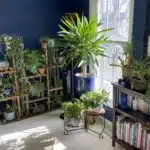
Filling your house with greenery is a great way to brighten the atmosphere, purify the air, and build a calming ambience. Nonetheless, selecting plants for a pet owner requires extra consideration. Cats and dogs are inquisitive by nature, and some well-known indoor plants might impose serious health hazards on patients. So, here is our catalog of pet-friendly plants: a selection of elegant indoor plants safe for your furry friends. Thus, from rich greens to colorful blossoms, here we look at some of the plants that will allow you to have a gorgeous indoor garden without putting your pets at risk. Keep reading to discover the perfect balance of style and nature with a hint of safety!

Pet-safe plants are types of vegetation that do not possess any toxins harmful to cats, dogs, or any other common house pets. They are essentially plants that do not contain substances that might have adverse reactions, such as vomiting, diarrhea, or irritation if ingested. Pet-safe choices include spider plants, Boston ferns, areca palms, and parlor palms. Always check a plant’s pet compatibility before buying in order to keep your indoor garden safe, and turn toward reliable resources or your veterinarian for assistance.
If a plant is safe for your pets, it means it is non-toxic and cannot harm the health of your pets in contact or upon ingestion. Pet-friendly plants do not contain any chemical or ingredient that could bring about poisoning or an allergic reaction or upset an animal’s stomach. Their leaves, flowers, and even seeds should not have any sort of sharp edges or spines that can physically hurt your animals. A pet-friendly plant should be considered as non-toxic to cats, dogs, and other household animals by well-known sources like the ASPCA.
Plants indoors bring possible benefits to a pet-friendly home and the inhabitants with pets. They purify the atmosphere, removing toxins and releasing oxygen, thus preparing a healthier environment for living. Plants may be a source of calm and stress reduction for both humans and pets. These plants create stimulation and enrichment for pets, especially indoor pets, as they simulate the natural world. Finally, they beautify the home and are the perfect green touch for any peaceful, welcoming abode with pets.
All houseplants are toxic to pets and better avoided, so goes the fear. Though this is a myth, several plants are in fact harmless to pets. Another myth is that animals recognize the toxic plants and automatically avoid them. Some animals probably stay away from the toxic plants, but others may chew on them out of curiosity. Pet owners are also so convinced that fake plants are better for them, and nothing compares to the air-purifying benefits of real plants. The fifth myth surmises that keeping plants and pets together in one household is not sane-while the reality is that with some proper research and precautions, it’s really not hard to maintain a safe and harmonious environment for both.
These plants are good for pets and good for the looks and air of your house.
One of the most versatile houseplants with pet-friendly status for interiors is Peperomia. It demands bright, indirect light or conversely does not mind partial allowance of shade, thus adapting well to varied household environments. Application of less watering would favor great care for Peperomia, while a busy owner can cope with its well-being. Being non-toxic to house pets is also a good-relieving factor for any owner since further assurance is available. In addition, it has a collection of visually attractive species that would adorn an interior with variety.
A great interior plant for the novice or advanced horticulturist, Spider Plant places an emphasis on patented simplicity in maintenance and looks great. It does well under anything from bright, indirect light to partial shade and needs watering just occasionally, making it very adaptable. Its green and white striated leaves that tend to cascade beautifully suit the interiors of any rooms. Furthermore, the Spider Plant is recognized as capable of purifying the air; thus, there is better indoor air, and since it is non-toxic to both pets and children, it guarantees a safe and health-promoting indoor environment.
Being wonderful for pet-friendly homes, ferns are largely non-toxic and safe to animals. Popular species of safe ferns include the Boston Fern, Maidenhair, and Staghorn Ferns. These fragrant ferns beautify the indoor environment and clean the air. They love humidity and indirect sunlight, and they have to be watered quite regularly if their green colors are to be maintained. By selecting these safe fern species, pet parents could make an indoor environment that is calm and cheerful without shedding any worries for the possible harm their beloved beasts might suffer.

Choosing indoor plants for a feline-friendly house involves selecting only non-toxic types. Safe plants include spider plants, areca palms, parlor palms, and calathea. These plants are also enjoyable to work with in your indoor design. Place them where they can hardly be excessively chewed on by your cat, though safe plants will lead to mild stomach upset if ingested in large quantities. For the sake of your cat’s health, avoid toxic plants like lilies, pothos, and philodendrons. When in any doubt, consult a credible source or your veterinarian concerning the safety of a particular plant.
Some cat-friendly plants to keep at home are spider plant, Boston ferns, and cat grass. These plants are non-toxic for cats and fairly easy to maintain, thus suitable for pet owners. Among them, spider plants are widely grown by most since they are quite resilient and will grow well in a variety of light settings, while Boston ferns provide a luscious appearance to any space. Cat grass, typically a hybrid of wheat, oat, or rye, can be a simple treat to enjoy in their company. These particular plants will surely bring a lot of fun to your home while staying very hospitable with your feline companion.
While choosing plants for a cat-friendly home, the important thing is to opt for non-toxic species that will be safe for your pet. Research thoroughly each plant to double-check that some growing or eating of the plant will pose no health risk to the pet. Consider the lighting conditions available at home; choose plants that will favor those conditions, such as low-light corners or bright windowsills. Maintenance could be another factor to consider; try plants that fit into your schedule and draw your attention when necessary. The ease of sowing can let kittens munch on it. For instance, cat grass should be allowed in reach, while purely decorative plants should be kept out of reach.
⚠️ Important Safety Information
It is always extremely important to keep species that could be toxic if ingested by the cat away when picking indoor plants for a home with cats. Some common plants that you would want to avoid are lilies, potentially causing kidney failure in cats, and pothos, which cause oral irritation and could have the cats actually have difficulties in swallowing. Likewise, ailments can occur with philodendrons and dieffenbachia (or dumb cane, as it is called in impedance language), which contain chemicals that make a cat’s mouth, throat, and gut systems hurt. Sago palms are another dangerous option; even a minute amount could kill due to the toxic nature of their seeds. When in doubt, always research any new plant from the perspective of its compatibility with pets or check with a vet before bringing it home.

Make an environment in which your pets can flourish by merely putting these few steps into practise.
Whenever designing spaces with safe plants, non-toxic greenery that will not harm your pets has been chosen. Choose from plants such as spider plants, Boston ferns, or areca palms. They can be classified as pet-friendly plants. Toxic plants should be avoided: lilies, oleander, or pothos-if ingested, they can result in serious health implications. Hence, placement matters; keep them out of the curious paws by putting them on high surfaces or hanging planters. Secondly, consider soil and fertilizers free from harmful chemicals to ensure a healthy environment for plants as well as your pets!
Some general safety and health tips for plants and pets stolen from nature-by-design could be: opting for non-toxic plants such as Spider plants or Calathea, so that accidental poisoning does not become a hazard. Placing them away in locations out of the clutches of an impetuous pet such as on a high shelf or in a hanging planter. Using potting soil that is safe and free from any chemicals or fertilizers that can be harmful to the curious pets; checking the plants often for signs of distress from pet activity, and keeping the pets distracted through approved means like pet-friendly chew toys or other approved greenery like cat grass. Being mindful and diligent shall give way to a harmonious setup for pets and plants alike.

Air plants or Tillandsia aptly describe the beauty that makes any house stand out. They find their nourishment and moisture in the airborne particles around them; hence, they are perfect for any artistic display-in hanging arrangements, glass terrariums, or simply mounted atop driftwood. For air plants to thrive, bright, indirect light is a must, as are occasional sprays of mist or soaking for water. Being pet-friendly and easy to care for, these plants are exemplary choices for families with pets. Air plants evoke nature while being virtually allergenic and, to some extent, are a chic addition to your décor.
Below are a few of the many pet-safe air plants to consider:
All these varieties pose no toxicity issues to pets and are easy to take care of, remaining good options for homes with furry friends while adding to indoor aesthetics.
Pilea–sometimes called the Friendship Plant or Pilea Peperomioides–is a popular name in the field of indoor gardening. Circular, coin-shaped leaves give it a very distinct–and fair!–appearance. Very easy to care for and propagate, the Pilea prefers bright, indirect light and watering once the topsoil feels dry. I must emphasize that what is incredibly special about this plant is that it produces “pups” or small offshoots that one can share with friends and family, hence the nickname. Pilea is non-toxic for pets, can fit into almost any interior, therefore making it easy-care and meaningful to the home.
Chinese Money Plant is a gift to any plant lover with its elegant form and easy-care routine. It loves bright, indirect sunlight and can tolerate neglect, as watering is only required when the upper soil dries. The joy of sharing Pilea plants comes from the mother plant’s fantastic ability to produce baby plants or offshoots, often called “pups.” It’s a great plant to have around for your fuzzy friends-gift, and because it’s cute and tiny, you can place it in almost every indoor space. Somehow, through its edge of glamour, practicality, and sentimentality, the Pilea takes a little corner in anybody’s heart.
With its brightly colored, fish-shaped flowers, this tropical houseplant with trailing vines is a delight to watch! Endemic to Central and South America, the plant requires bright, indirect light and moderate humidity to grow well. Plants like this like to be placed in well-drained soil and watered when the top inch or so of soil feels dry to the touch, not to mention always stroking the theme of under-watering. A gorgeous hanging basket or shelf plant to decorate a room! It is non-toxic, but careful placement out of a pet’s area can prevent any… ‘issues.’ The stunning appearance and moderately easy-care regime of the Goldfish Plant have made it a must-have for plant lovers desirous of a bold, lively interior life.
ASPCA – Toxic and Non-Toxic Plants
This resource from the ASPCA lists plants that are safe or toxic for pets, including cats and dogs. It’s a trusted authority for pet safety.
Visit ASPCA’s guide
Graf Growers – 8 Pet-Safe Plants Perfect for Homes with Cats and Dogs
This article highlights pet-friendly plants and references credible sources like the ASPCA for validation.
Read the article on Graf Growers
Planet Desert – Cat-Friendly Plants: Top 34 Nontoxic & Easy-Care Varieties
This blog provides a detailed list of non-toxic plants that are safe for cats and dogs, with care tips for each.
Explore Planet Desert’s guide
Since you are selecting pet-friendly houseplants, go for the prayer plant, polka dot plant, and baby rubber plant. These plants are considered non-toxic to both cats and dogs, thus fitting perfectly in pet-loving homes. The peacock plant and lipstick plant can contribute interesting dark foliage and gorgeous colors to your decorations. Besides, there are plenty of succulents such as string of turtles that are pet-safe and cat-worthy of easy care. Choose well and build your lush green world whilst giving your precious big and small furry creatures nothing to fret about.
Yes, both maranta (prayer plant) and stromanthe can be considered pet-safe plants. These tropical plants are non-toxic, and in case your dog or cat takes a nibble at them, they will not harm the animal. Maranta leuconeura houses interesting foliage and puts an extra oomph into any setting, while Stromanthe lends a unique variegated quality to the view. Having these plants indoors lets you appreciate the greenery while making sure your home is pet-friendly.
Ivy is mildly toxic to most pets, particularly these being cats and dogs. It is a popular choice for houseplants, yet it is advisable to keep away from ivy when considering a pet-friendly household. If you need alternatives, think of some plant options that are safe for pets such as Peperomia obtusifolia or a ponytail palm. These will work well indoors and adorn your décor without leaving any harm to your dearly loved pets. Always verify the toxicity level of any plant before bringing it home.
The spider plant, being non-toxic to both cats and dogs, is the perfect choice for a pet-friendly home. It needs to have bright light put on it; otherwise, it also requires quite a lot of humidity. These are best repotted every couple of years, making sure the roots have their space to develop. Spider plants are among the easiest to propagate: just take cuttings and put them in water till they root. This very easy tree to grow will beautify your interior as well as keep it safe for your dogs and cats.
Parlor palm and goldfish plant are a couple of good options to consider if you’re seeking easy-to-grow pet-safe house plants. They are hardy plants adaptable to variable indoor conditions. The parlor palm is happy in low light conditions and will thus occupy a darker corner in your house, while the goldfish plant will reward you with stunning flowers and waxy leaves. Both bring lushness to your interiors without any danger for the pets. With a little care, these low-maintenance plants will do wonderfully well in your pet-friendly environment.