Physical Address
304 North Cardinal St.
Dorchester Center, MA 02124
Physical Address
304 North Cardinal St.
Dorchester Center, MA 02124


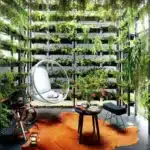
Vertical gardening is any green space maximization for the backyard or balcony-small or large-variety. If you’re working with tiny balconies or just a sunny wall indoors, vertical gardening will allow you to grow fresh produce, herbs, and marvelous plants as well. This beginner-friendly gardening approach is a heady mix of creativity and functionality-wrestling solutions to space constraints while beautifying and rendering a place. Here, we shall explore some essential tips, tools, and techniques that can get you started in vertical gardening so your green thumb can blossom no matter how miniscule the space in which you work. So get ready to take what little space-for instance, a wall or a fence-and create a living vertical landscape with life!

Vertical gardening is a method of growing plants upward along a vertical surface, such as walls, trellises, or frames, rather than spreading outward over the potential horizontal surface below. The method is particularly suited for restricted spaces, more so in urban living environments or small gardens. The trees can support many plants, including flowers, vegetables, and herbs, while also cleaning the air and beautifying the surroundings. Vertical gardening does enhance space utilization and provides a viable option for sustainable gardening.
Vertical gardening is the method of planting upward using some form of vertical support structures such as walls, trellises, or frames. This particular type of garden is really ideal for petite or urban settings where every inch of space is utilized. These gardens allow for the cultivation of a variety of plants, from vegetables to herbs and flowers. Vertical gardening is sustainable and space-efficient, all while being visually pleasing to the eye and improving air quality.
Vertical gardening is an excellent entry transaction for the beginner gardener as it is easy to install and maintain with limited space. For this reason, those new to gardening begin on a small scale and widen their scope by growing different plants. It is convenient since maintenance from watering, pruning, and harvesting can be carried out with ease, as the plants are at eye level. Secondly, vertical gardening generally makes use of materials readily available and cheap, making it an extremely graveyard choice for the true greenhorn.
It is an act of vertical gardening to provide a practical max for space and maximization of plants. Growing plants up rather than out allows the persons so inclined to make efficient use of the little space available and is, thus, very much a gardener’s technique for use in small yards, balconies, or the city. The garden space thus reserved is very precious. At the same time, one can enhance the air and sunlight, thereby favoring plant growth and productivity. Vertical gardening, really, is a well-thought-out technical way to conserve resources and make very lush small gardens.
When all these build blocks are effectively put together, a high-performing vertical garden takes shape according to your space and needs.
Any vertical garden needs to have a good framework to support plants. It could be a trellis, some kind of shelving system, or vertical planters. Other than that, tools must be suitable for gardening; planting and maintenance operations include a trowel, pruning shears, and gloves. Fertilizers should be chosen by considering the plants to maximize their growth and nourishment. When choosing plants, make sure that the ones you choose can grow well vertically- vines, herbs, perhaps some leafy greens might come to your mind-so that the space is used to the fullest. Together these few materials can create a lush vertical garden depending upon the space and the need of the gardener.
Consider frames and planters for a vertical garden in terms of materials that are durable, weather-resistant, and lightweight. Metal, plastic, and treated wood are all examples you’d do well to consider. Frames must be sturdy to hold the weight of the plants and the soil, while planters must have proper drainage holes to avoid waterlogging. Choose modular or stackable frames to maximize your vertical space. Also, make sure the planters are large and deep enough for your plants to be chosen, allowing room for root growth and adequate nourishment.
Use old wooden pallets or tin cans or old glass jars as planters-kindly recycle materials for the purpose since it lessens waste and costs less. Second-hand or use things at home that can be repurposed into a vertical garden frame or containers. Subsequently, those biodegradable pots from coconut coir or peat will do fine because those are sustainable and good for nature. Growing from seeds and cuttings rather than fully grown plants will save more money for you. This way, these simple and creative ideas make building a cheap vertical garden easier and environmentally friendly.

Select plants that are compact, lightweight, and adaptable to vertical gardening. A few of the more popular choices include:
These plants are adaptable and apt for various climate conditions-they form the best options in any vertical gardening project.
For beginners, the easiest to grow are some of these plants: herbs like basil, parsley, and mint because they are adaptable and require little care. Leafy greens are also fine choices, such as lettuce or spinach, since they are fast-growing and do well in small spaces. Ornamental plants like succulents are also perfect for novices because they are hardy and require little watering, in addition to being able to prettify any vertical garden. These would get any new gardener hooked on gardening by way of confident successful harvests or displays.
Herbs, flowers, and vegetables typically fit into the scheme of a vertical garden. Herbs like basil, thyme, and parsley grow well in smaller spaces with the required support. Flowering plants like petunias, fuschias, and climbing roses bestow color and scent, thus are the choice for vertical growing. Vegetables such as cherry tomatoes, cucumbers, and pole beans grown up on trellises or supports will thrive; they will thereby maximize yield in short areas. These plants are adaptable to any gardener as they thrive best in vertical gardens but are also practical and pleasing.
When choosing plants to grow seasonally, factors such as climate, sun conditions, and how long the growing season lasts in a given area must be put into consideration. Early bloomers that thrive in the cooling temperatures of spring include tulips, daffodils, and peas. Summer is the main season for plants that love heat, such as sunflowers, tomatoes, and peppers, while autumn gardens are ideal for hardy crops of kale, carrots, and chrysanthemums. Especially in milder climates, winter planting can be achieved with a handful of frost-resistant options such as winter greens, pansies, and ornamental cabbages. Familiarity with the seasonality of plants would surely benefit in ensuring optimal growth and living gardens every season in the year.

So, let’s get started on your vertical garden with these simple points:
Choose a location that receives adequate sunlight, as per the requirements of the plants to be grown. Vertical gardens can be erected indoors or outdoors.
Decide on a proper frame such as a trellis; incorporating wall mounted planters or hanging pots; or otherwise a premade vertical garden system.
Select plants suitable for vertical gardening-herbs, leafy vegetables, bright-colored flowers, or little vegetables.
Use a potting soil of quality that drains well and supply nutrients to the plants. Also, the planters must have good drainage.
Plants can be arranged with taller plants at the bottom and smaller one on the top. Such plants need to be watered regularly, pruned from time to time, and fertilized occasionally for healthy growth.
With painstaking planning and maintenance, you can establish a vertically green garden that is space-efficient with beauty and utility reinforcing your home.
Proper sunlight and airflow positioning remain paramount for a healthy garden. Place plants in areas where they can receive their required amount of light-the choices could include full sun, partial shade, or full shade. Avoid crowding plants to allow enough airflow to decrease the risk of fungal diseases and to promote healthy growth. Meanwhile, indoor gardeners must position plants next to windows of appropriate exposure, maybe even placing a fan or opening windows for better ventilation. Thoughtful placement of your plants creates the right environment for their health and vigor.
Overwatering has become one of the most frequent mistakes of beginners. It could cause root rot and other problems. Also, each plant has specific requirements, so check the soil moisture before watering. Choosing the wrong kind of soil would be another error, as plants must receive soil that provides the required nutrients and drainage. Beginners generally do not do regular maintenance like pruning and removing dead leaves, which are vital for its growth. Not placing plants correctly, such as placing sun-loving types in a shady area, can also limit development. If beginners keep their guard up and take time to learn about plant care, they will be far away from their mistakes.

With these simple steps, you will have little trouble sustaining a healthy garden.
Watering and feeding schedules have to be adequately set for healthy plant growth. Most plants require water on a steady basis, with the frequency varying according to the requirements and season. Ideal watering would be early in the morning so that the soil could soak up some moisture before the heat of the day. Feeding schedules depend on any particular stage of growth of the plant, usually during the active phase of growth. They should, of course, be reduced, if not stopped altogether, during any dormant phase. The plants should always be monitored for any sign of overwatering, underwatering, or nutrient deficiency and treated accordingly by modifying the watering and feeding schedules to accord with the needs of the plants. Take into consideration such modifications and diagnoses for the betterment of your plant.
There is indeed a proactive and consistent pest control method in a vertical garden to protect the plants from common pests. Natural methods like neem oil or insecticidal soap may be applied in the event that an infestation occurs. One should regularly inspect plants and look for early signs of aphids, spider mites, or caterpillars; these pests have always been best dealt with by straightforward manual removal. Companion planting with marigolds or basil also wards off unwanted insects naturally. Plants should be spaced properly and allowed ample airflow to discourage conditions favorable for pests. When appropriate, favorable insects may be introduced to restrain populations of pests, such as ladybugs. Chemical pesticides should be fewer and rarely used, for they kill beneficial organisms and upset the ecosystem.
Pruning is necessary for the health and growth of plants. Dead, diseased, or injured limbs are kept off to prevent the spread of infection and to enhance a good form in the plant. Make certain to use clean and sharp tools while making accurate cuts so as to not tear away from the plant tissue. Choose the right season for replanting when the plant has greater chances of establishment, which is most commonly spring and fall for various plants. Enrich the soil with organic matter; the new location should, therefore, meet the plant’s requirements for sunlight and water. Give treatment to the roots gently while transplanting in order to minimize shock, following up with watering thoroughly for the new plant to settle.
Vertical Farming Feasibility
This document explores the opportunities and challenges of adapting vertical agriculture, providing insights into its feasibility for addressing food shortages and environmental issues.
Read more here.
A Feasibility Study on the Utilization of Vertical Space
This study investigates vegetable production potential in urban settings, such as public housing, using vertical gardening techniques like rooftop and façade gardening.
Read more here.
Vertical Gardening for Aesthetics and Energy Savings
This article highlights the benefits of vertical gardening, including energy savings, water quality improvement, and accessibility for senior citizens.
Read more here.
For a vertical garden to flourish, regular care is essential. Water thoroughly with a drip system if possible, observe the time the plants spend in sunlight, and perform pruning on the plants to promote healthy growth. Fertilize occasionally, and keep a watchful eye on the pests to keep that garden lush and vibrant.
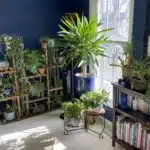
Yes, vertical gardening is perfect for indoor settings. One could mount planters and vertical shelves which rest near a window for natural light. Indoor vertical gardens occupy less space than regular plants, purify the air, and impart a breath of green freshness to your home.
A vertical garden uses a system of walls, frames, or stacked containers that nurture plants upward instead of spreading them out on land. It is a very intelligent solution to dealing with small spaces, thus increasing greenery in apartments, balconies, cozier gardens, etc.
The vertical gardening is friendly for beginners with a little space, small resources for soil, and minimal maintenance needs. So if you are a new gardener, start small and experiment with a few plants only; you will be able to go through the whole process quickly, obtaining results with a small outdoor area.
Lightweight and speedy varieties of herbs (basil, mint), leafy greens (lettuce, and spinach), and flowers (petunias and ferns) are the best plants for vertical gardening. Such plants can easily install themselves on any kind of vertical structure in limited soil